Kenya Safari Wildlife Sighting Etiquette: 9 Rules to Follow
Kenya safari wildlife sighting etiquette isn’t a list of polite suggestions. Each rule exists because someone learned, often the hard way, what happens when a vehicle gets too close, a phone rings at the wrong moment, or a monkey gets handed a sandwich. These nine rules explain not just what guides ask of you, but the reasoning behind each one, from a stalking lioness losing her chance in seconds to a fed animal ending up culled months later.
What Is the Minimum Distance You Should Keep From Wildlife on a Kenya Safari?
Kenya Wildlife Service guidance sets a 20 to 25 meter minimum from lions, elephants, and rhinos. Guides tighten that gap slightly for calm grazers like impala or zebra, and widen it well beyond the standard for a hunting predator or a musth bull elephant, always using their own judgment on the ground.
That flexibility matters more than the number itself. A grazing zebra barely registers a vehicle at 15 meters. A lioness mid-stalk, ears back and body low, needs far more room, because the sound of an engine or a door can collapse a 20-minute setup she’s been building since dawn. Musth bulls, recognizable by the dark staining running from the temporal glands down their cheeks, are unpredictable and far more dangerous than a normal bull at the same distance. Guides who work these areas daily read these cues before you even notice the animal. If you’re traveling with children, the same logic applies to close family favorites like elephants, and it’s worth reading up on elephant safety rules for families before your first drive.
Why Do Guides Ask You to Stay Quiet Near a Sighting?
Silence phones and camera shutters before a sighting, speak only in a low murmur, and never whistle, clap, or bang the vehicle to get an animal’s attention. A startled reaction can end a stalking lioness’s setup in seconds, and repeated noise teaches wildlife to associate vehicles with disturbance rather than background scenery.
This is why experienced guides will sometimes cut the engine entirely and coast the last stretch toward a sighting. Predators that have grown used to quiet, predictable vehicles tend to ignore them, which is exactly what lets you get close enough for a clean photograph in the first place. Noise doesn’t just ruin one moment. Over a season, it can shift how an entire pride behaves around tourist traffic.
Can You Get Out of the Vehicle on a Kenya Safari?
Stay seated with your arms and legs inside the vehicle at all times. Standing through the roof hatch is fine once your guide confirms it’s safe at a stationary sighting, but stepping fully outside is only allowed at spots your guide designates, never near predators or in unfenced conservancy bush.
Designated stops are usually marked picnic areas or fenced viewpoints, chosen because rangers and guides know the ground is clear of hidden wildlife. Outside those spots, an animal you can’t see, a snake in the grass, a buffalo behind a thicket, is the real risk, not the one you’re photographing. Rangers can and do fine operators for guests who ignore this rule.
Is Flash Photography Allowed on Night Game Drives?
No. Flash is banned on essentially every night drive in Kenya because it startles nocturnal hunters and can briefly blind them mid-hunt. Guides use red-filtered spotlights instead, which let animals see normally while still giving guests a usable view.
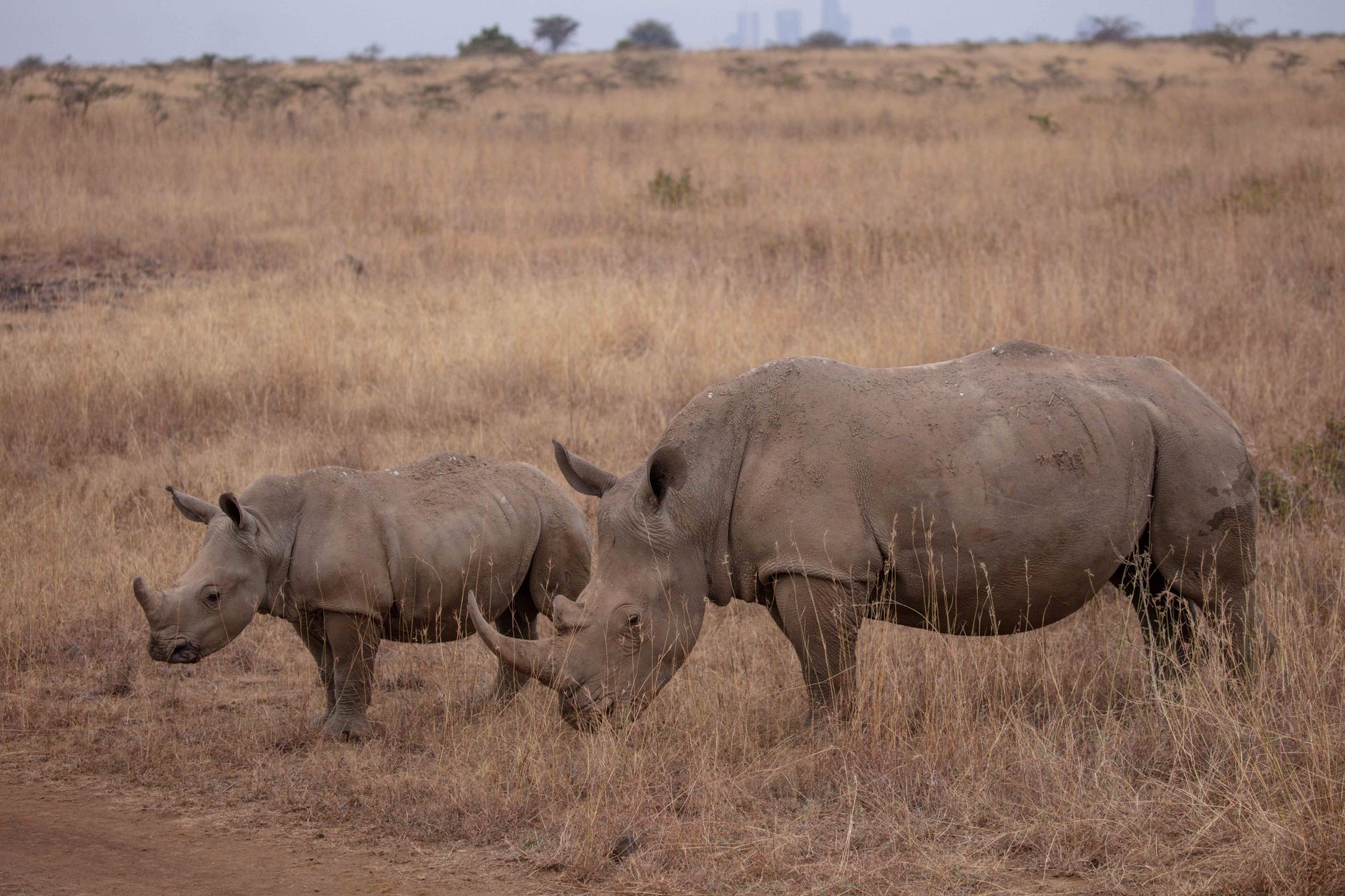
The same caution applies to daytime shots. Use a zoom lens or binoculars rather than asking your driver to inch closer for a better angle. It’s also worth geotagging the general reserve rather than exact coordinates when you post photos online, particularly for rhinos and other animals still targeted by poachers.
Is It Okay to Feed Animals Like Vervet Monkeys at a Picnic Stop?
No. Feeding any animal, including vervet monkeys or birds at a picnic stop, teaches it to lose its fear of vehicles and people. That shift escalates conflict fast, and it often ends with the animal being culled once it starts approaching guests aggressively or breaking into vehicles for food.
Vervet monkeys at popular rest stops are the clearest example. Once a troop learns that tourists mean snacks, they start opening backpacks and car doors on their own, which is dangerous for them and unpleasant for everyone else. The same logic covers baiting predators closer for a photo, a practice conservancies now fine or ban outright.
Why Should You Always Follow Your Guide’s Instructions?
When a guide says stop, stay silent, or move on, comply right away without debate. Guides are reading tracks, wind direction, and animal body language that most guests can’t interpret, and that read decides both your safety and whether the group gets a clean sighting instead of a rushed one.
Guides also carry radio contact with other vehicles and rangers, so their instructions often reflect information you don’t have, like a second predator nearby or a herd moving unpredictably. Trusting that judgment is part of what makes a safari safe rather than just exciting.
How Many Vehicles Are Allowed at One Sighting in the Masai Mara?
The Masai Mara National Reserve caps sightings at five vehicles, each limited to roughly a 10-minute viewing window before rotating out to let others in. Private conservancies bordering the reserve, such as Mara North or Naboisho, often set an even stricter one-vehicle-per-sighting rule.
This cap exists because peak season sightings, especially a leopard in a tree or a fresh kill, can draw a dozen vehicles within minutes if left unmanaged. The rotation system keeps pressure off the animal while still giving every visitor a turn. It’s one reason travelers researching where to stay often compare Masai Mara guide options against quieter conservancy alternatives.
How Does Kenya Safari Wildlife Sighting Etiquette Differ Between National Reserves and Conservancies?
National reserves enforce fixed vehicle caps, marked tracks, and a 40 km/h speed limit patrolled by rangers. Private conservancies such as Mara North or Naboisho typically go further, often limiting sightings to one vehicle and banning off-track driving after dark, funded by the conservancy fees that fund stricter vehicle rules.
The practical difference shows up daily. In the National Reserve, you might share a leopard sighting with four other vehicles on a public track. In a conservancy, off-track driving lets your guide position closer with fewer vehicles around, but only within limits the conservancy sets and enforces through its own ranger teams.
| Rule | Masai Mara National Reserve | Private Conservancies (Mara North, Naboisho) |
|---|---|---|
| Vehicles per sighting | up to 5 | typically 1, occasionally 2 |
| Viewing window | around 10 minutes before rotating out | not strictly timed, guides self-regulate |
| Speed limit | 40 km/h on marked tracks | generally lower, varies by conservancy |
| Off-track driving | not permitted | permitted for guides, restricted after dark |
| Minimum distance from lions/elephants | 20-25m, per national wildlife guidelines | often wider, set by conservancy management |
| Night game drives | not permitted | permitted in most conservancies |
If weather disrupts your plans on either side of the boundary, it helps to know what to do when a rainy day limits game drives rather than pushing a guide to break these limits for a photo.
How Much Should You Tip a Safari Guide in Kenya?
Budget roughly USD 15-20 per guest per day for your driver-guide and USD 10-15 per day for a dedicated tracker, paid in cash at the end of the trip. Many camps also collect a communal staff pool of USD 10-15 per guest per day for cooks, housekeeping, and ground staff.
These figures are indicative ranges rather than fixed prices, and they can shift depending on group size, trip length, and how personalized the service was. If tipping in cash on arrival isn’t practical, ask your camp or operator whether they can convert the amount locally, since carrying enough currency is easier to plan for once you know the Kenya safari cost breakdown ahead of time.
Frequently Asked Questions
What is the minimum distance you should keep from wildlife on a Kenya safari?
Kenya Wildlife Service guidance calls for a 20 to 25 meter minimum from dangerous animals such as lions, elephants, and rhinos. Guides widen that gap further for a hunting predator or a musth bull elephant, and tighten it slightly for calm grazers like zebra or impala, always at their discretion.
Can you get out of the vehicle on a Kenya safari?
Only at spots your guide designates as safe, such as marked picnic areas or fenced viewpoints, never near predators or in open conservancy bush. Most national reserves and conservancies prohibit exiting the vehicle entirely outside these approved stops, and rangers can fine operators for breaking the rule.
How many vehicles are allowed at one sighting in the Masai Mara?
The Masai Mara National Reserve caps sightings at five vehicles, each limited to roughly a 10-minute viewing window before rotating out to let others in. Private conservancies bordering the reserve, such as Mara North or Naboisho, often set an even stricter one-vehicle-per-sighting rule.
How much should you tip a safari guide in Kenya?
Standard practice is USD 15-20 per guest per day for your driver-guide and USD 10-15 per day for a dedicated tracker, paid in cash at the end of the safari. Many camps also collect a communal staff tip of USD 10-15 per guest per day for cooks and housekeeping.
Is flash photography allowed on night game drives?
No, flash is banned on essentially every night drive in Kenya because it startles nocturnal hunters and can temporarily blind them mid-hunt. Guides carry red-filtered spotlights instead, which let animals see without disrupting their night vision.
Where Can You Compare Safari Operators?
Once you know the rules, the next step is choosing who to travel with. You can compare safari operators and browse packages through sites like FindMySafari, Valley Safaris, or Trunktrails Safaris, which list itineraries covering the Masai Mara and its bordering conservancies. TouringInsights covers the destinations and the details, so you can walk into that comparison already knowing what good etiquette looks like in the field.
Where Can You Find More Safari Planning Resources?
- Kenya national parks map from SafariPure
- Kenya wildlife tours from Trunktrails Safaris
- Interactive Maasai Mara map from Valley Safaris
- Masai Mara destination guide on FindMySafari